
The Power of Emotion in Portraiture: Creating Images That Resonate
In an age saturated with images, truly memorable portraits are those that do more than document a face, they reveal a feeling. Technical precision, thoughtful composition, and flattering light are all essential components of strong portraiture. Yet without emotion, even the most technically flawless image can feel hollow. Capturing emotion is what transforms a portrait from a visual record into a compelling human story.
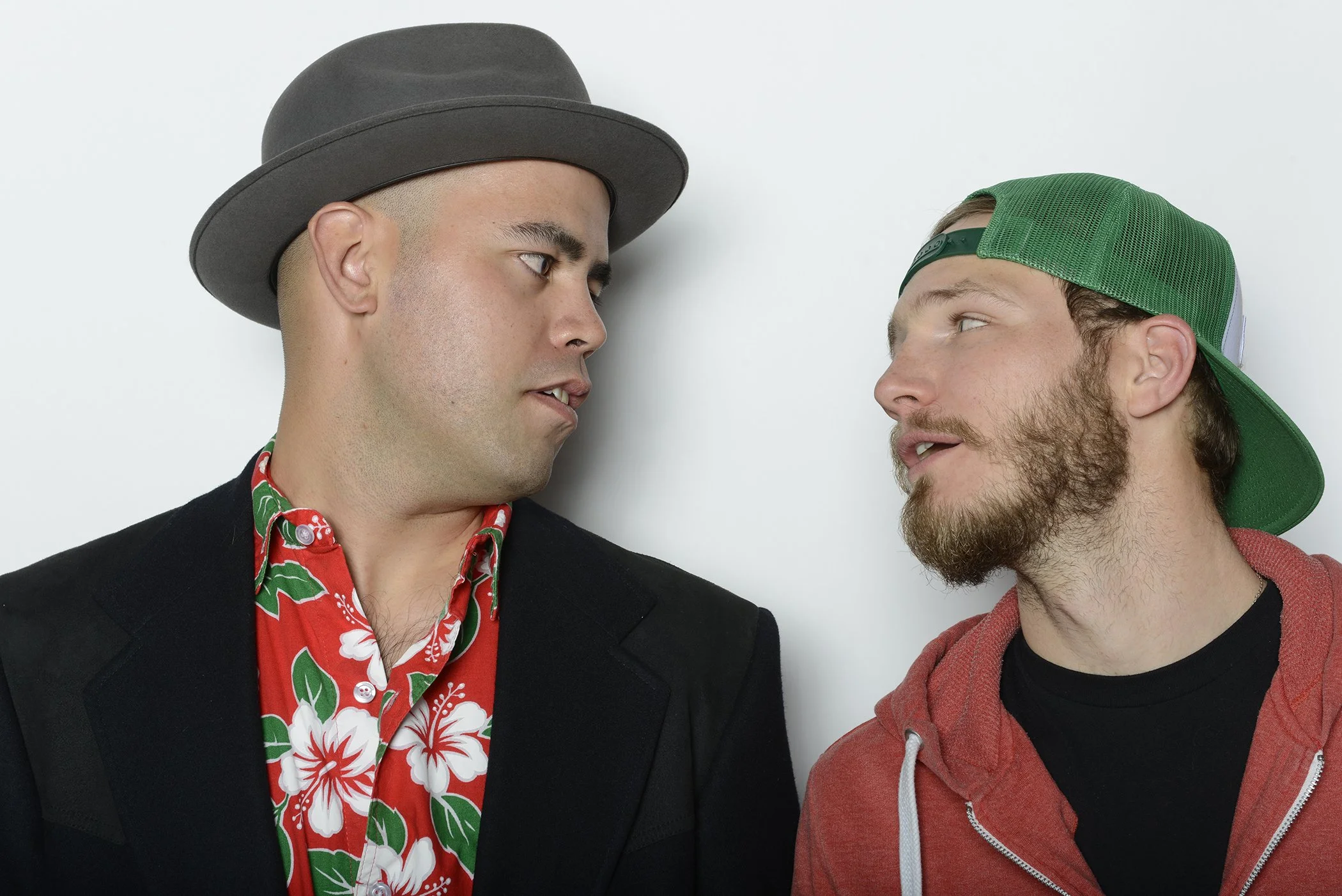
Bob and Brian
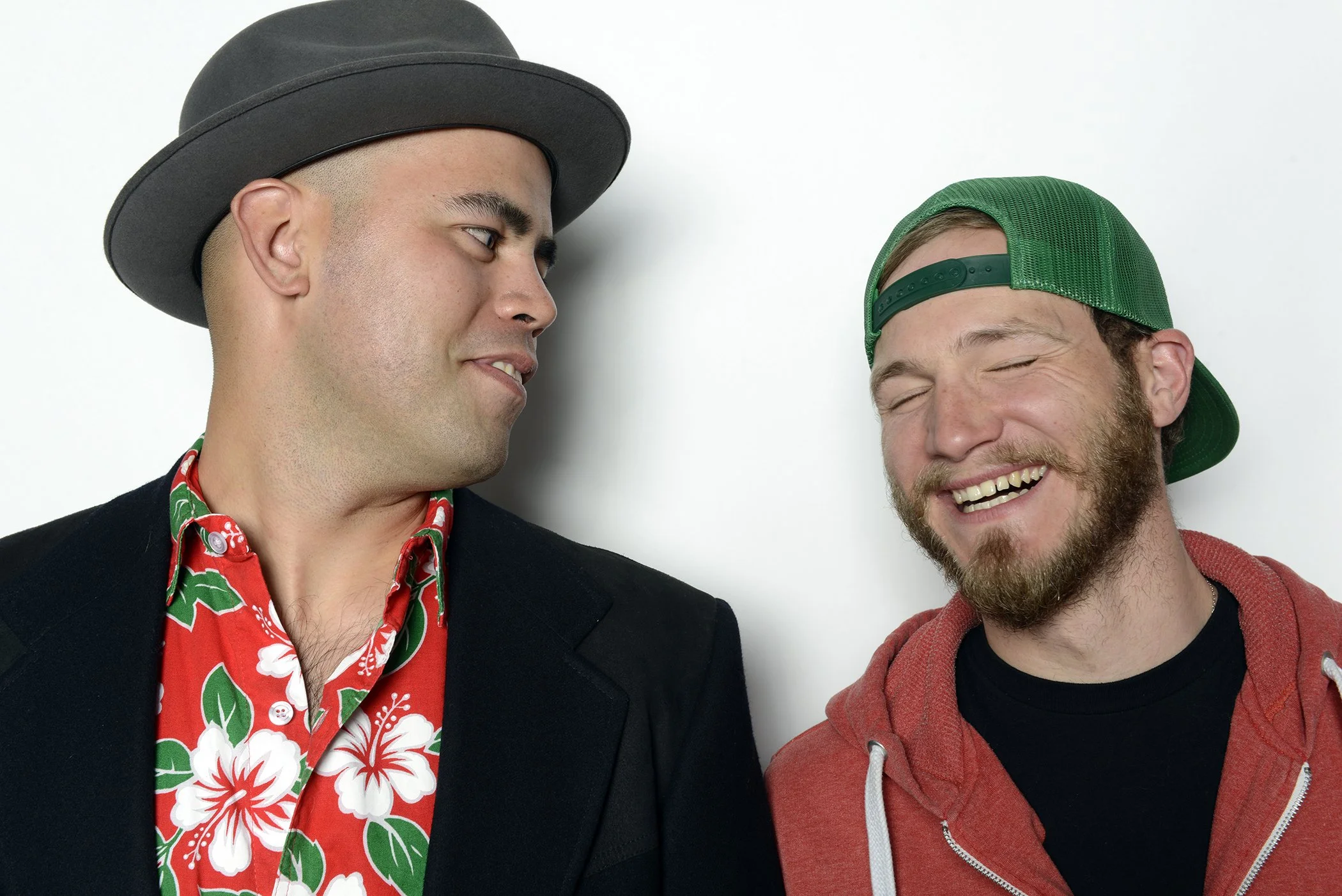
Bob and Brian again
Beyond Likeness: Portraiture as Interpretation
Portrait photography has long been a medium for interpretation as much as representation. From the evocative studio work of Richard Avedon to the deeply human environmental portraits of Annie Leibovitz, the most influential practitioners understand that a portrait is not merely about how someone looks, it is about who they are.
Emotion is the bridge between subject and viewer. A subtle glance, a moment of vulnerability, or an unguarded laugh can communicate more about a person’s identity than any carefully arranged pose. When photographers prioritize emotional authenticity, they create images that invite viewers into an intimate exchange.

Don

Amanda
Why Emotion Matters
1. Emotional Connection Drives Engagement
Humans are wired for empathy. When viewers sense genuine emotion in a portrait like joy, contemplation, resilience or uncertainty they respond instinctively. This emotional recognition fosters connection, which in turn increases the image’s impact and memorability.
In commercial contexts, such as branding or editorial work, emotionally resonant portraits are particularly powerful. They humanize leaders, artists, and public figures, helping audiences relate to them beyond titles or achievements.
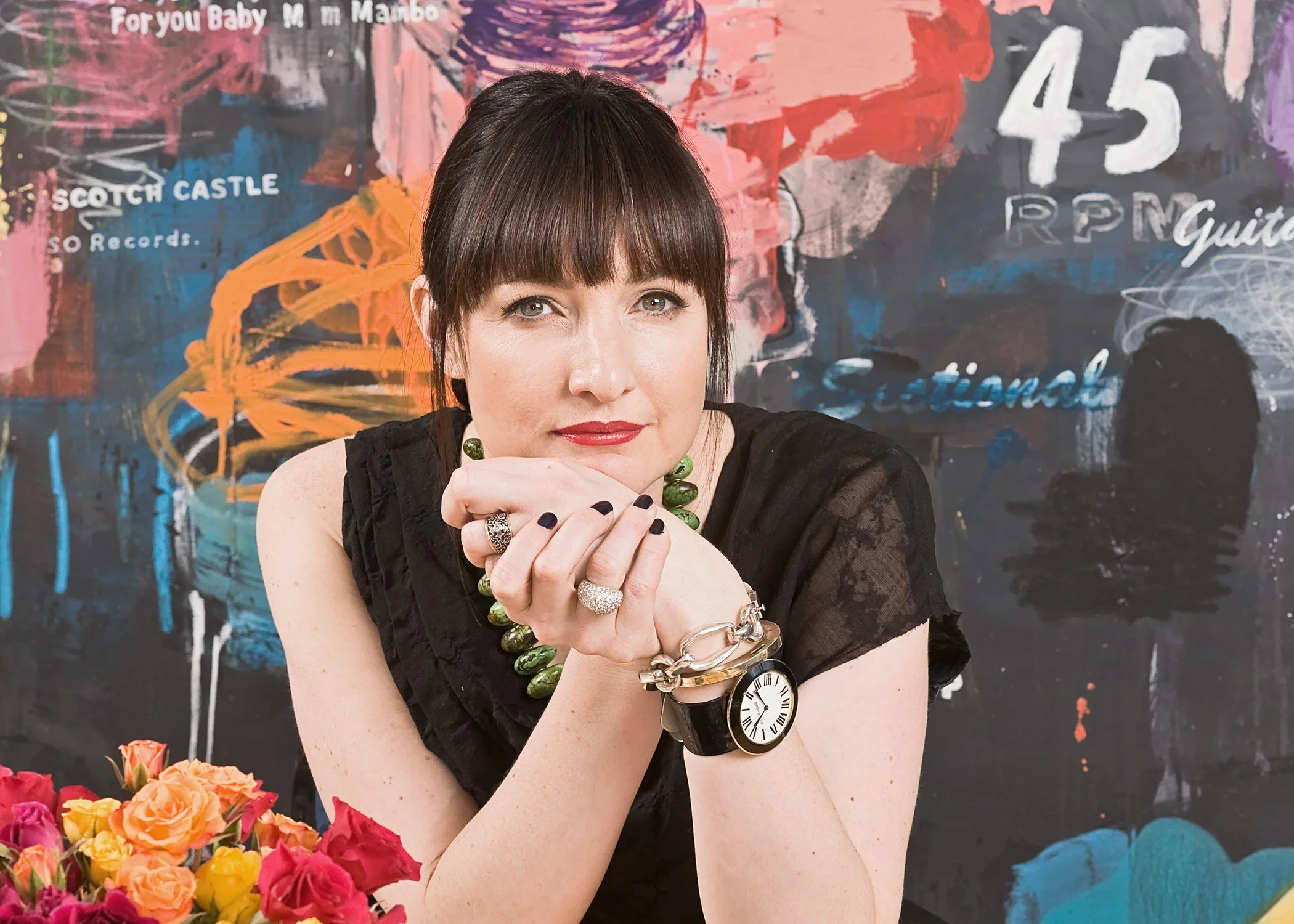
Claudia Batten – Editorial portrait for the cover of Her magazine.

Mark Castator – Business portrait taken on-location.
2. Emotion Communicates Narrative
A portrait that captures emotion tells a story without relying on words. A furrowed brow might suggest determination; relaxed shoulders and a soft gaze may convey trust or introspection. These cues provide narrative depth, transforming a static image into a dynamic experience.
The legacy of portrait masters such as Yousuf Karsh illustrates this principle. His iconic images are remembered not only for their dramatic lighting but for the emotional gravity they convey such as strength, resolve, and character distilled into a single frame.

Evan Fry – From the Before. After. Photo Booth – I set-up the Photo Booth at the local Cyclocross Races for an entire season. Everyone was photographed against the same background with the same lighting.
3. Authenticity Builds Trust
In both personal and professional portraiture, authenticity is paramount. Overly rigid poses and forced expressions can create emotional distance. Conversely, when a subject feels seen and understood, their expression becomes natural and nuanced.
Capturing authentic emotion often requires patience and rapport. It involves active listening, empathy, and the ability to create a safe space where subjects feel comfortable revealing something genuine. Technical mastery enables the shot; emotional intelligence makes it meaningful.
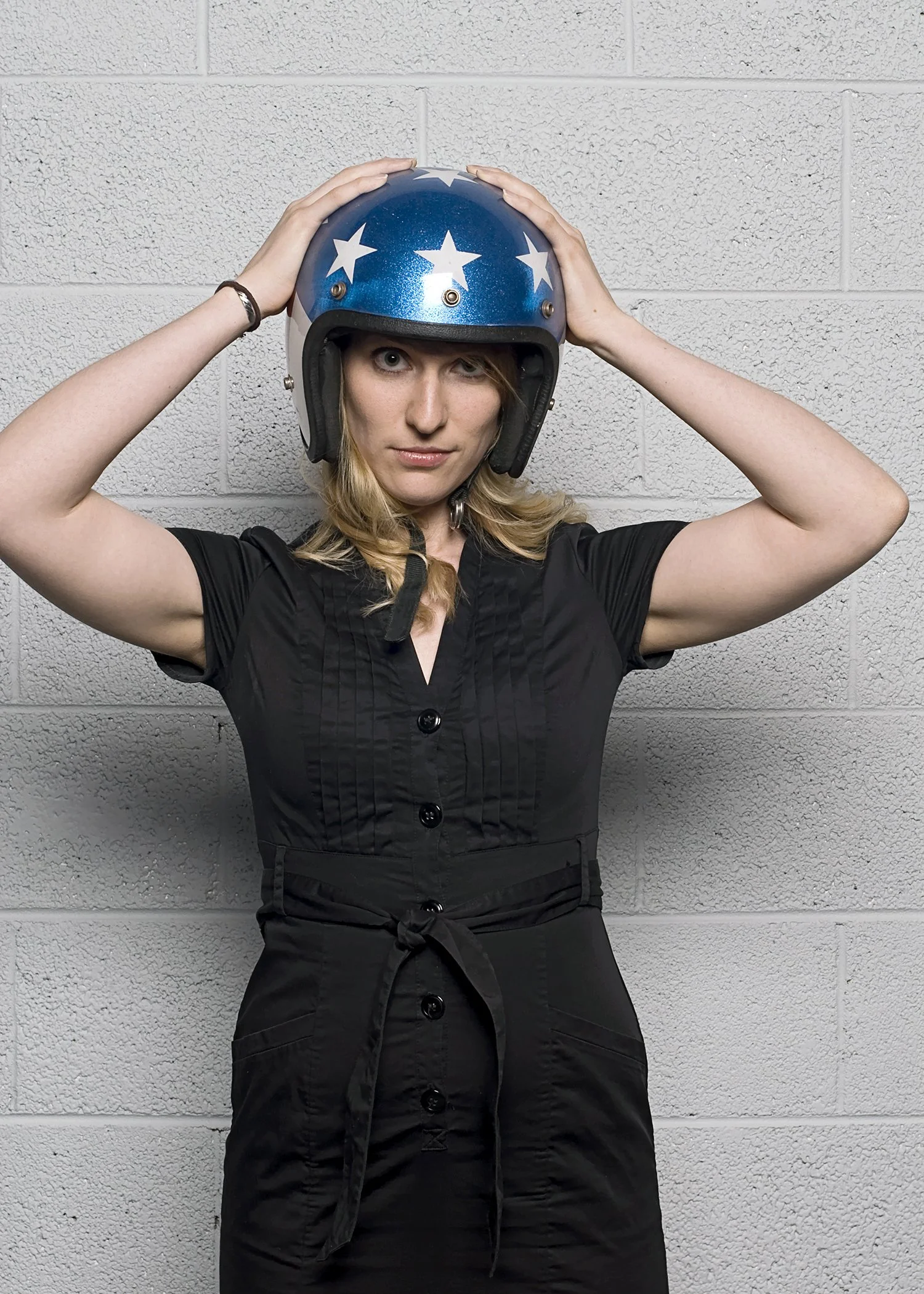
Kate
Techniques for Capturing Emotion
While emotion cannot be manufactured, it can be cultivated and recognized. Professional portrait photographers often employ several key strategies:
Build rapport before shooting. Conversation, shared experiences, or even moments of silence can establish trust.
Observe micro-expressions. Subtle changes in the eyes or mouth often reveal more than overt gestures.
Embrace candid transitions. Emotional authenticity frequently appears between poses rather than during them.
Use light intentionally. Soft light can evoke intimacy; dramatic contrast can heighten tension or strength.
Allow vulnerability. Give subjects permission to relax or reflect, rather than directing them into constant performance.
The Ethical Dimension
Capturing emotion also carries ethical responsibility. A photographer must balance storytelling with respect for the subject’s dignity. Emotional portraits should empower rather than exploit. Transparency about intent and thoughtful collaboration ensure that the final image aligns with both artistic vision and personal integrity.

Award Winners at the Art Director’s Club of Denver Event.

Another Award Winner
Conclusion
Emotion is the defining element that elevates portraiture from documentation to art. It is what allows an image to transcend time, context, and culture. When photographers prioritize emotional authenticity—through empathy, patience, and technical skill—they create portraits that endure.
In a world overflowing with imagery, it is emotion that makes a face unforgettable.